Plug-in Solar in the UK: The Complete 2026 Guide
Plug-in solar becomes legal in the UK on 27 August 2026. What is allowed, the 800W limit, certified kits, safety rules, and how to notify your DNO.

Plug-in solar - a small solar system you connect to an ordinary wall socket rather than wiring into the mains - is about to become legal in the UK for the first time. From 27 August 2026, new rules create a proper legal route for the kind of balcony and patio solar that millions of households already use across Germany and the Netherlands.
This guide explains what plug-in solar is, exactly what the 2026 rules allow, which kit will be compliant, and the safety and notification steps that still apply. We do not link to any kit that is not yet certified, because at the time of writing none is - see the availability section below. This article is informational and not electrical or legal advice; always check the current rules for your situation.
What is plug-in solar?
Plug-in solar is a compact solar setup - typically one or two panels feeding a small inverter - that plugs straight into a domestic socket, so the electricity it generates offsets whatever your home is using at that moment. There is no rooftop installation and no electrician wiring it into your consumer unit, which is what makes it attractive to renters and flat-dwellers who cannot fit conventional rooftop solar.
The 2026 rules give it a formal name: the plug-in microgenerator, defined as a plug-in solar system without batteries that connects to a standard socket. For a fuller walkthrough of the hardware, see our guide to how plug-in solar works.
Is plug-in solar the same as portable or garden solar?
No, and the difference matters more than the shared name suggests. Both are small solar setups you can buy without an installer, and shops often shelve them together, but they do different jobs. Plug-in solar feeds a household socket, so the electricity it makes offsets whatever your home is drawing at that moment and shows up as a lower meter reading. Portable and garden solar charges a battery or power station instead, and never touches your mains.
That one difference decides everything else. Because plug-in solar injects power into your wiring, it waits on the 27 August 2026 rules, and it needs a certified whole product plus a DNO notification. A portable kit carries none of those obligations - nothing to notify and no certification gate - because you are only filling a battery. The trade-off is scope: a power station runs whatever you plug directly into it, but it cannot lower your whole-house bill the way a socket-connected system does. If your aim is powering a shed, allotment, campsite or backup supply rather than shaving the household bill, start with our guide to portable and garden solar.
Is plug-in solar legal in the UK?
Not yet - but it will be. Until 27 August 2026, there is no approved way to plug a solar generator into a UK socket, because the Plugs and Sockets etc. (Safety) Regulations 1994 do not permit it. From that date, SI 2026/848 (the statutory instrument that amends those 1994 regulations) makes it legal to use an approved plug for a solar device of up to 800W AC. The change is set out in the government's plug-in solar consultation run by the Department for Energy Security and Net Zero (DESNZ).
The 800W figure is an AC limit measured at the microinverter's output, not a cap on panel wattage, so a larger panel array behind the inverter is allowed as long as the inverter never exports more than 800W. For the legal detail, see is plug-in solar legal in the UK?
What changes on 27 August 2026?
Three things change together. First, SI 2026/848 amends the 1994 Plugs and Sockets regulations to approve a BS 1363 plug (the standard UK three-pin plug) as the transitional connection route. Second, a kit only qualifies if it meets DESNZ's Interim Product Specification (IPS) - a minimum standard covering electrical design, the plug, mounting systems and fire protection, built on the German DIN VDE 0126-95 baseline with UK amendments. Third, the wider grid-connection recommendation (G98) is being updated so compliant microgenerators can connect.
The IPS is an interim route: a dedicated BSI product standard is expected to follow and become the durable certification framework. Our 2026 rule-change explainer tracks the detail as it firms up.
What kit will be allowed - and can you buy it yet?
Only a certified whole product qualifies: the panel, inverter, factory-fitted cable and plug, and mounting system, all certified together as one kit. Separately-sourced components, imported balcony kits, and any modified or extended cable are not compliant, however well they work elsewhere.
Critically, no product can be legally sold until it appears on the ENA Type Test Register - the industry register that is the real-time indicator of when compliant kits actually reach the UK market. At the time of writing, no certified kit was listed. That is why this guide carries no buy links: the honest position is to watch the register and buy only a listed, fully certified kit once one is available, rather than risk a non-compliant import.
Do you need permission to install plug-in solar?
You must still notify your Distribution Network Operator (DNO) - the company that runs the local grid - under the G98 "Connect and Notify" process for small generators. Until G98 is amended, the effective limit is 800W per household. Notification is a form-based step, not an approval you wait on, but skipping it is not an option for a grid-connected system.
From 27 August 2026 it falls inside permitted development outright, because the 2026 amendment to the permitted-development rules adds plug-in solar to the legal definition of solar PV. That matters: it is covered by the same regime as any other domestic panel, with the same stated limits, rather than by an argument that it is too temporary to count. The fire-safety mounting rules below still apply either way. Renters and leaseholders have an extra step: you will still need your landlord's or freeholder's consent in practice. See our guide for renters and flats.
Is plug-in solar safe?
Safety is the whole point of the certification regime. A compliant kit must meet the IPS's electrical and fire-protection requirements, and there are firm mounting exclusions: installation is not permitted on ACM or metal-composite cladding, high-pressure laminate cladding, timber cladding, or timber balconies. The factory-fitted AC cable must never be extended with an extension lead, a multi-way adaptor, or an RCD adaptor - the plug goes directly into a suitable socket.
Battery storage is deliberately excluded from the 2026 rules: SI 2026/848 covers battery-less microgenerators only, so plug-in solar batteries remain a separate regulatory question for now.
Is plug-in solar worth it in the UK?
For homeowners who can fit rooftop solar, a full system will generate far more. Plug-in solar's value is different: it opens self-generated electricity to the roughly one-third of UK households in flats and rented homes who have been locked out of rooftop solar entirely. An 800W system running through the day chips away at the "base load" your home draws anyway - the fridge, router, standby devices - which is where the savings come from.
How much it saves depends on your usage pattern, how sunny your aspect is, and the eventual kit price, so treat any single savings figure with caution until certified kits and real UK prices exist. Nor is there public money to offset the purchase: there are currently no grants for plug-in solar in the UK. The appeal is a low-cost, no-installation, reversible way to hedge energy bills - the same logic that drove mass balcony-solar adoption in Germany.
Frequently asked questions
When does plug-in solar become legal in the UK?
How much power can a UK plug-in solar system produce?
Can you buy a legal plug-in solar kit yet?
Do you need an electrician to install plug-in solar?
Can renters use plug-in solar?
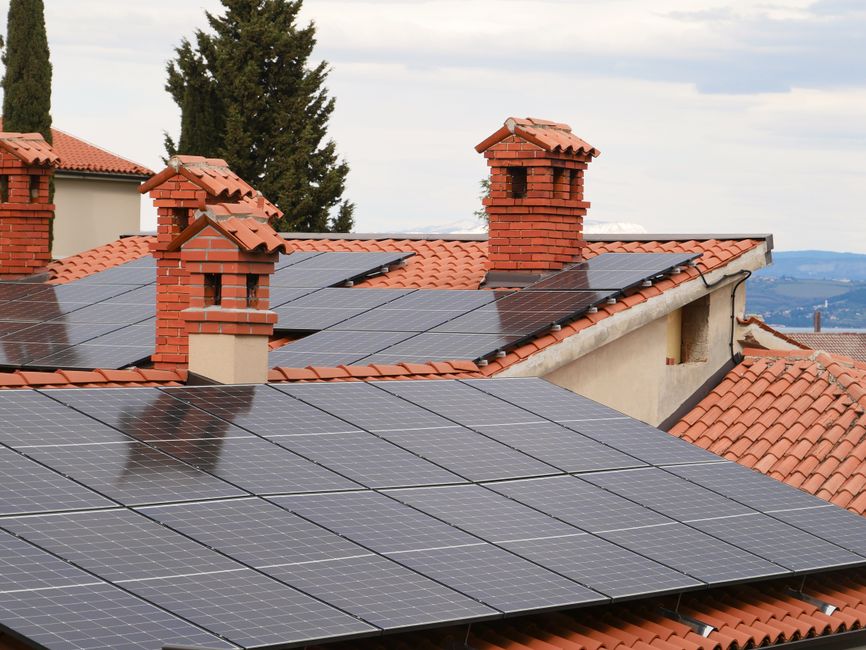
Is Plug-in Solar Legal in the UK?
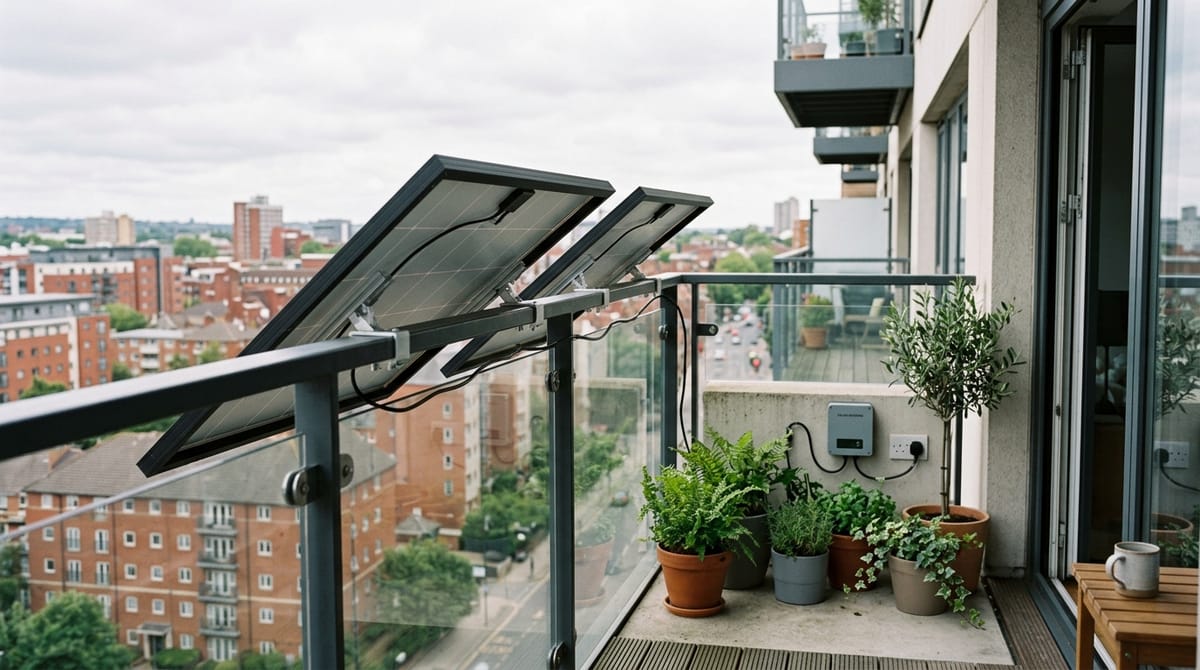
The UK Plug-in Solar 2026 Rule Change
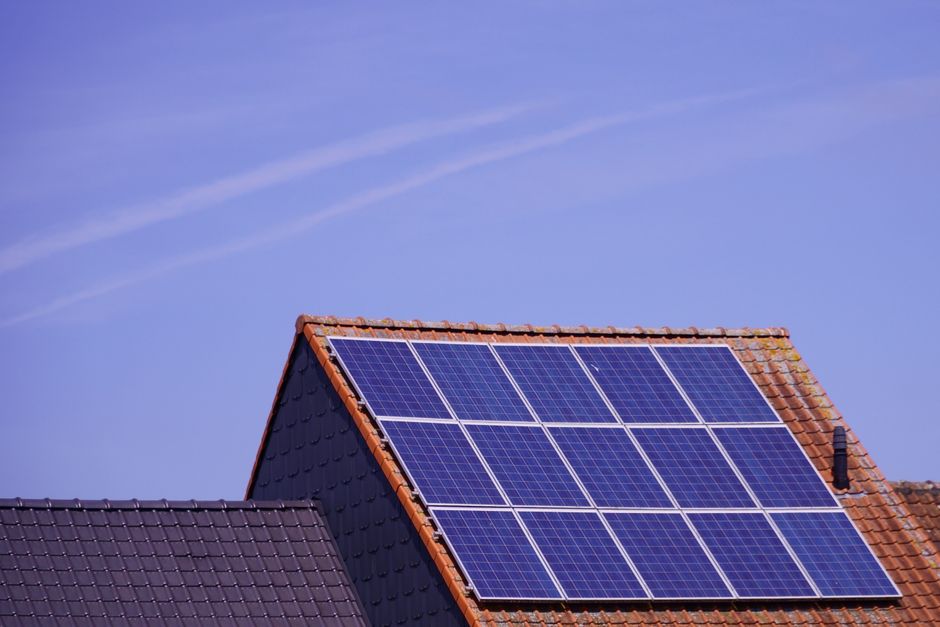
How Does Plug-in Solar Work?

Plug-in Solar for Renters and Flats
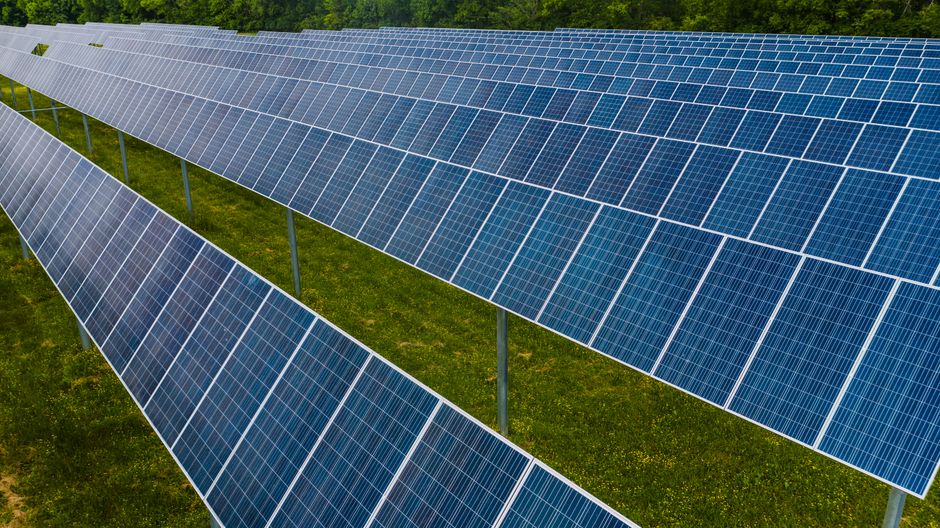
Portable & Garden Solar: A UK Beginner's Guide
Renting or in a flat?
See exactly what plug-in solar tenants and leaseholders can install, and how to get landlord consent.