Plug-in Solar for Renters and Flats: What You Can Do
Plug-in solar suits renters and flats: no rooftop install, no drilling, and you take it when you move. Here is what you can and can't do in the UK.
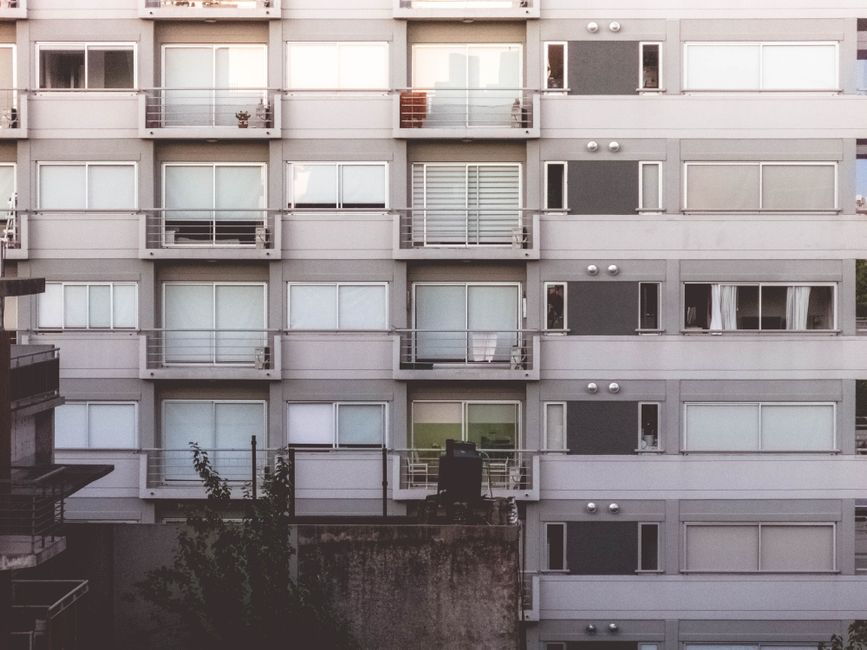
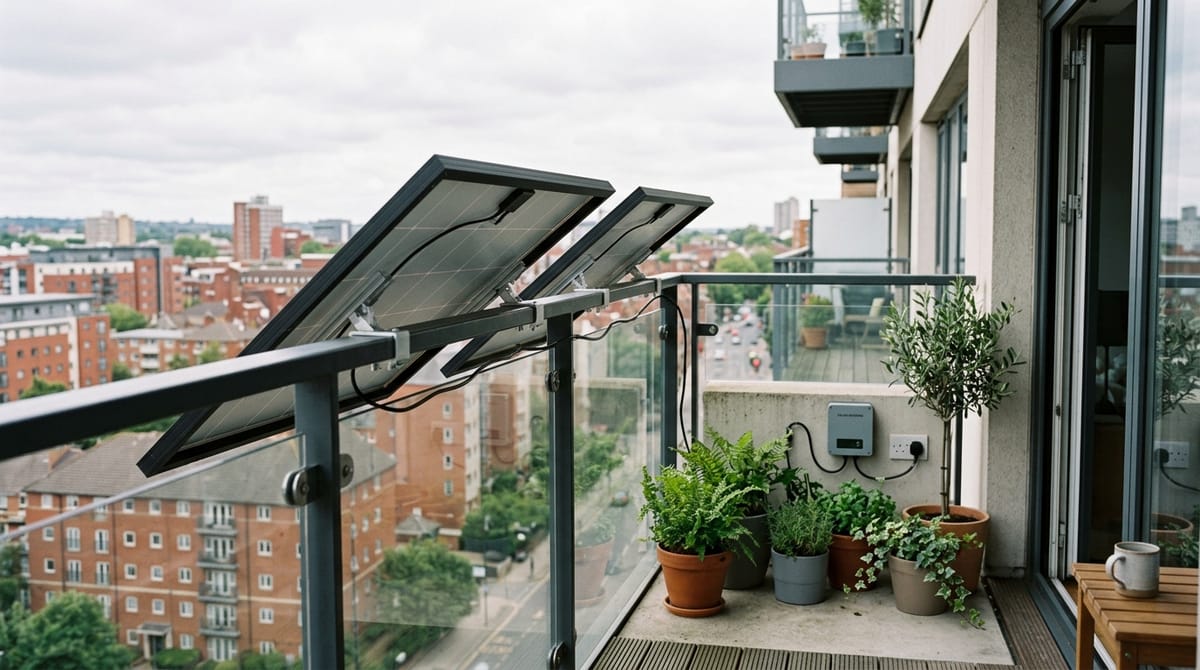
Plug-in solar for renters is the version of home solar that finally makes sense when you don't own your roof. Instead of a fixed rooftop array, a plug-in system sits on a balcony, wall or windowsill and plugs into an ordinary socket, so it is portable, reversible and yours to take when you move. This guide covers what renters and flat-dwellers can realistically do, where the limits are, and the permissions you still need to sort out first.
Why is plug-in solar a good fit for renters?
Traditional rooftop solar is a non-starter for most tenants: it is a permanent installation on a roof you don't own, with a payback measured in years you may not stay. A plug-in microgenerator (the legal term, set out in the government's plug-in solar consultation, for a battery-less plug-in solar system that connects to a standard socket) flips that logic. There is no drilling into the building's structure, no electrician rewiring your consumer unit, and nothing left behind when your tenancy ends.
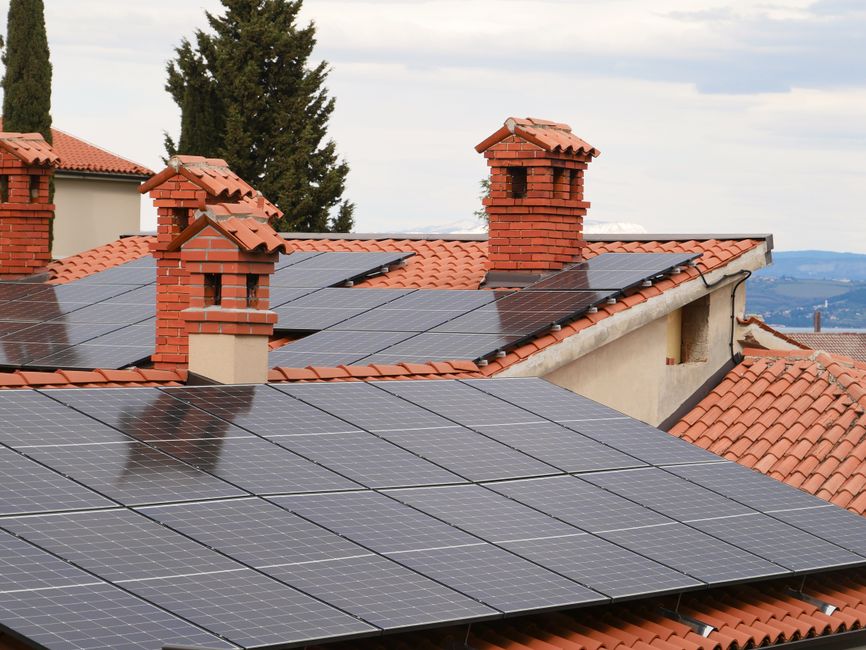
From 27 August 2026 it falls inside permitted development outright, because the 2026 amendment to the permitted-development rules adds plug-in solar to the legal definition of solar PV. That matters: it is covered by the same regime as any other domestic panel, with the same stated limits, rather than by an argument that it is too temporary to count. That reversibility is the whole appeal for renters: it is closer to buying an appliance than commissioning a building works project.
Do you need your landlord's permission?
In practice, yes. Even though a plug-in system is portable and needs no structural change, most tenancy agreements restrict what you can attach to the property or its balcony, and leaseholders are usually bound by the terms of their lease. Get written consent before mounting anything, rather than relying on "it's only temporary".
Worth being clear on one point that trips people up: the law changing on 27 August 2026 makes the equipment legal, but it does not override your tenancy agreement. Those are two separate permissions. Our guide to getting landlord permission covers how to make the request, what agreements typically say, and what to do if the answer is no.
How do you mount panels without drilling?
No-drill mounting is what makes plug-in solar renter-friendly, and there are a few established approaches. Balcony-railing brackets clamp a panel to the railing without screws. Weighted or ballasted stands sit a panel on a flat balcony or a flat roof terrace using weight rather than fixings. Freestanding A-frames lean a panel against a wall or sit it on the ground of a private outdoor space.
Two cautions apply. First, the official rules bar mounting on timber balconies and certain cladding types for fire-safety reasons, so a clamp-on railing mount is only an option where the balcony structure itself is permitted. Second, whatever you use must be the kit's own mounting system: a certified plug-in system is approved as a whole product, mounting included, so improvising your own bracket takes you outside the rules.
What rules still apply to renters?
The 800W ceiling
A compliant plug-in system is capped at 800W of AC output at the inverter, which is also the per-household grid limit.
A certified whole kit only
Panel, inverter, cable, plug and mounting must be one certified product listed on the ENA Type Test Register. At the time of writing, none is on sale yet.
Notify your network operator
You still tell your Distribution Network Operator the system is connected, under the G98 Connect and Notify process, even as a tenant.
No timber balconies or risky cladding
Mounting is not allowed on timber balconies, or on ACM, MCM or high-pressure laminate cladding.
No extension leads
The kit's factory-fitted cable plugs straight into the socket. Extension leads, multi-way adaptors and RCD adaptors are not permitted.
What happens when you move?
This is the quiet advantage renters have over homeowners with fixed solar. Because a plug-in system unclips and unplugs, you pack it up and take it to your next home, so the payback follows you rather than staying behind for the next tenant. That changes the maths: a system that might take several years to pay back is far more attractive when it is not tied to one address.
When you leave, remove the panels and mounting, make good any (minor, non-structural) marks, and you have honoured the reversible-installation promise you made to the landlord.
Plug-in solar only saves you money if it feeds electricity you actually pay for. In a flat with its own meter and its own socket on the balcony, that is straightforward: the solar offsets your own consumption. Complications arise where the outdoor sockets or the balcony supply are on a communal or landlord-controlled circuit, because then your generation may offset a bill that is not yours.
Before buying, check which meter the socket you would use is wired to. If the only available outdoor socket runs off a communal supply, the financial case weakens even though the system would still work. This is worth confirming with your landlord or managing agent at the same time as you ask for permission.